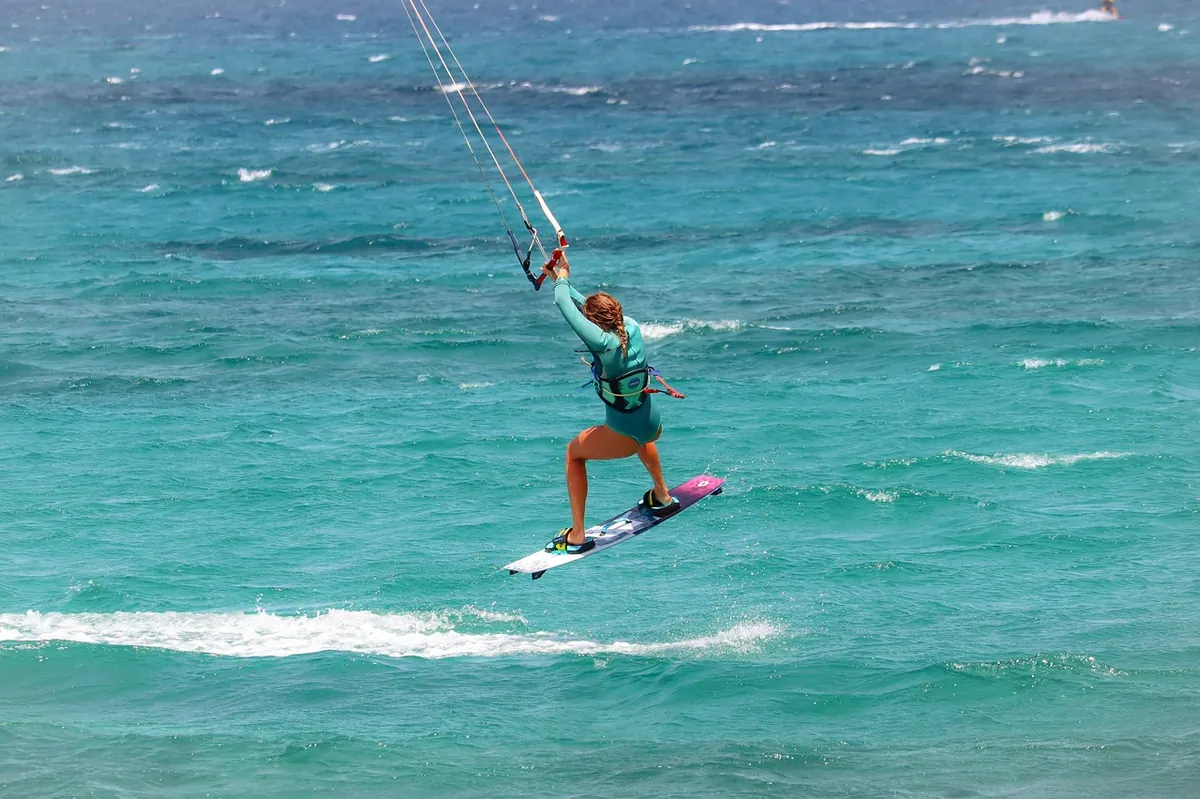
Peak District Kite Flying: 6 Inland Spots for Clean Hill Winds
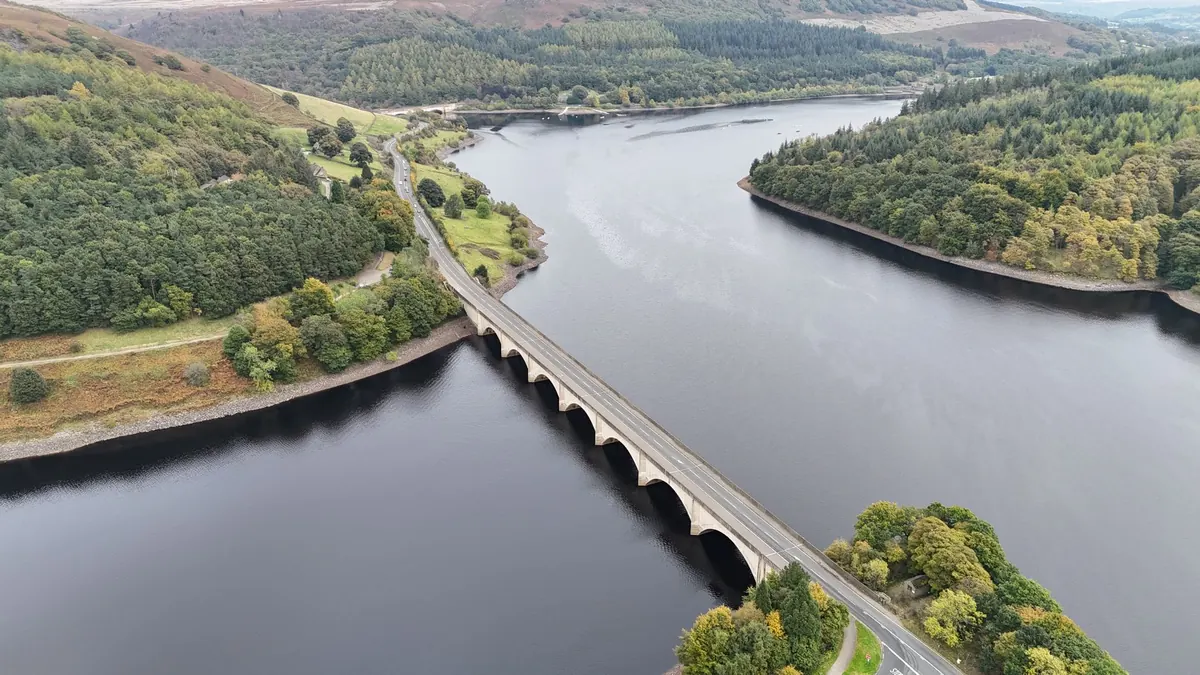
Ask most kite fliers where to go and they'll point you at a beach. Fair enough: sand is forgiving, the wind is clean, and there's nothing to snag a line. But the Peak District offers something the coast can't — hills that squeeze and accelerate the breeze, and wide open skylines where you can see a gust coming from half a mile away.
The trade-offs are real. Moorland ground is rough, parking fills early at weekends, and you'll share the air with paragliders, gliders and the occasional low-flying aircraft. The six spots below are all reachable by car with a walk of around half an hour or less, and between them they cover everything from flat, family-friendly grass to a properly exposed ridge.
Mam Tor and Rushup Edge, Castleton
The classic. The National Trust car park at Mam Nick sits on the A6187 between Castleton and Chapel-en-le-Frith, and from there it's a short, steep climb to the trig point. The ridge runs roughly east to west, so westerlies and north-westerlies arrive square on and can be surprisingly strong. This is a place for a kite you can hold rather than one you're hoping to tame.
Ground along the top is flagged in places but tussocky and rocky either side, so leave the buggy in the car. The col between Mam Tor and Rushup Edge gives a slightly softer launch when it's howling. Watch for paragliders — Rushup Edge is one of their favourite sites in the region, and they need their launch arc kept clear.
Facilities: none on the hill. Castleton has pubs, cafés, a couple of shops and public toilets. Arrive before ten at weekends if you want a space at Mam Nick.
Shining Tor and Cats Tor, Goyt Valley
Shining Tor is the highest point in Cheshire and one of the most exposed ridges in the Peak District. Park at Pym Chair, where roadside spaces are free, and walk the ridge to the summit; alternatively start from Errwood Reservoir for a longer climb.
Exposure is the whole point here. There is nothing to break the flow, and it's often blowing a full Beaufort number harder than the forecast for Buxton or Macclesfield suggests. Ground is rough moorland — heather, peat and boggy patches — so boots rather than trainers. There's no shelter and no facilities on the tops; Buxton and Whaley Bridge are the nearest towns for supplies.
Stanage Edge, near Hathersage
Stanage is a climbers' edge first and a kite site second, but the plateau behind the gritstone lip is flat, open and mercifully free of obstacles. Park at Hook's Car or Dennis Knoll off the Ringinglow road, arriving early on a sunny Sunday, then walk five minutes to the edge.
The north-facing crag does odd things to airflow. Stand back from the lip and you get a steady, usable pull; stand right on it and you'll meet rotors and turbulence. Fly the plateau, not the drop. Underfoot it's a mix of path, heather and boulders — fine for standing launches, unkind to a leading edge if you dump the kite hard.
Hathersage has cafés, an outdoor shop or two and toilets, which makes this the best of the six for a full day out with people who'd rather not fly.
Eyam Moor and Sir William Hill
Quieter than Stanage and lower than Shining Tor, the heather plateau above Eyam is a good middle ground. Roadside parking on the Sir William Hill road puts you within ten minutes of open moor, and the ground is broad enough that you can pick a patch away from walkers.
Westerlies and southerlies work well here; northerlies tend to be lighter and swirlier. Expect heather underfoot and a few boggy patches after rain. One local quirk: gliders from Camphill near Great Hucklow use this airspace, so keep your kite below ridge height and give way if you see one. Eyam itself has a pub, a café and a village shop for afterwards.
Beeley Moor, above Chatsworth
Beeley Moor runs along the B6012 between Baslow and Chesterfield, with lay-bys and roadside parking at several points. Step out of the car and you're on open moor with a clean westerly and a view down to Chatsworth House. It's the most accessible of the exposed sites — there's no climb at all.
The ground is rough: heather, tussock and the occasional gritstone outcrop, with faint paths between them. It's also a working moorland, so from roughly March to July keep to the paths and think twice about flying over ground-nesting birds such as curlew and lapwing. Facilities are in Beeley village and at Chatsworth, both a short drive away.
Carsington Water, near Ashbourne
Strictly speaking Carsington sits just outside the National Park boundary, but it belongs on this list because it solves the two problems the hills create: rough ground and nowhere to park. There are several pay-and-display car parks, flat mown grass near the visitor centre, and wide open water that produces a smoother, steadier breeze than any of the ridges.
It's the best of the six for beginners, family afternoons and big single-line kites. Gravel paths run right around the reservoir, so you can walk to a quieter stretch if the main lawn is busy with picnics. Toilets, a café and cycle hire are all at the visitor centre. Check the noticeboards for any seasonal restrictions on the shoreline.
Before You Launch: Practical Notes
- Forecast for height, not for town. A hilltop can be a force or two windier than the valley below. Check a summit-level forecast and expect more than it promises.
- Bring an anchor. There's no sand inland. A screw-in ground anchor, a bag of stones or a water-filled tether will hold a kite while you sort out lines.
- Dress for the top, not the car park. Exposed ridges are several degrees colder and windier than the valley, whatever the month.
- Livestock and gates. Sheep and cattle graze most of these sites. Keep lines well clear of animals and close every gate behind you.
- Ground-nesting season. On moorland, avoid disturbing birds and their young between roughly March and July.
- Other air users. Paragliders, hang gliders and light aircraft share this sky. If you hear an engine or see a wing, bring the kite down.
- Overheads. Scan for power lines before launch, and keep well clear of drystone walls where line snags.
- If it snags, don't tug. Walk to the kite. Gritstone eats bridles and ripstop.
- Take it home. Line, broken spars, packaging — moorland wildlife and grazing sheep don't need any of it.
A few of these sites sit on private land or open-access ground with their own rules, and anything like a large display kite, a commercial photo shoot or a group event needs the landowner's permission first. For one kite on a breezy weekday afternoon, turn up, read the signs and use your judgement. That's most of it.